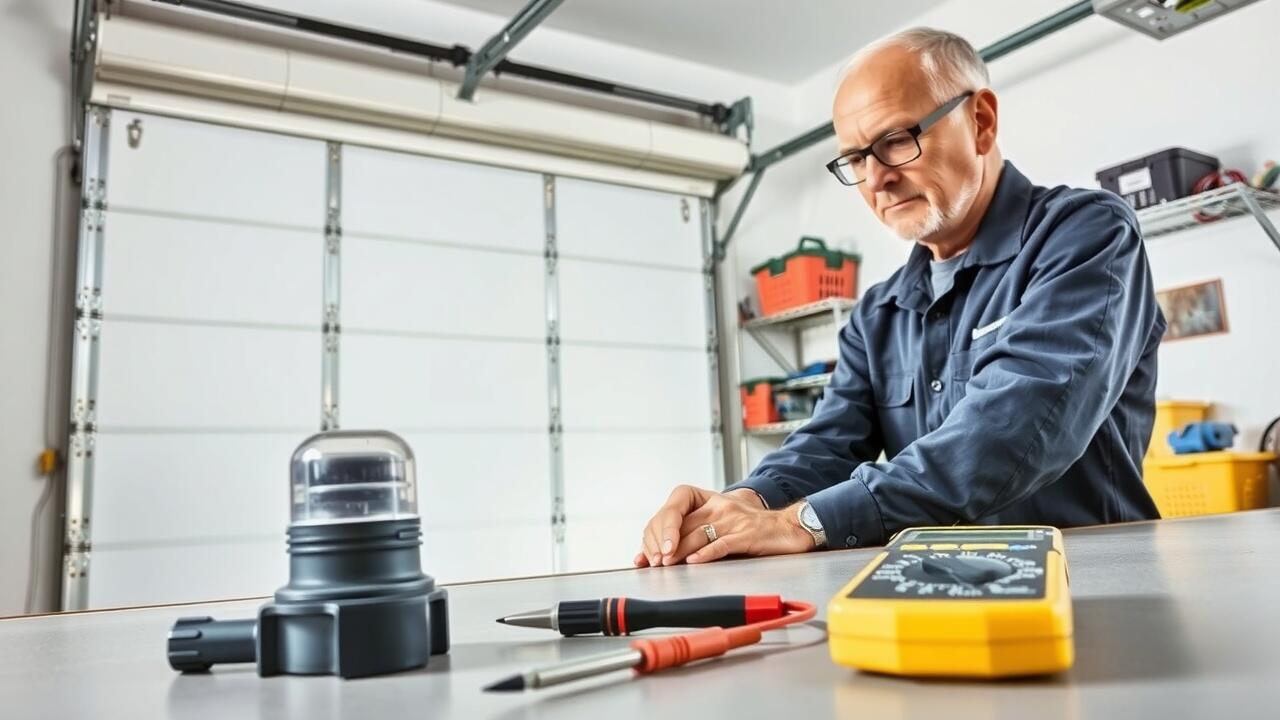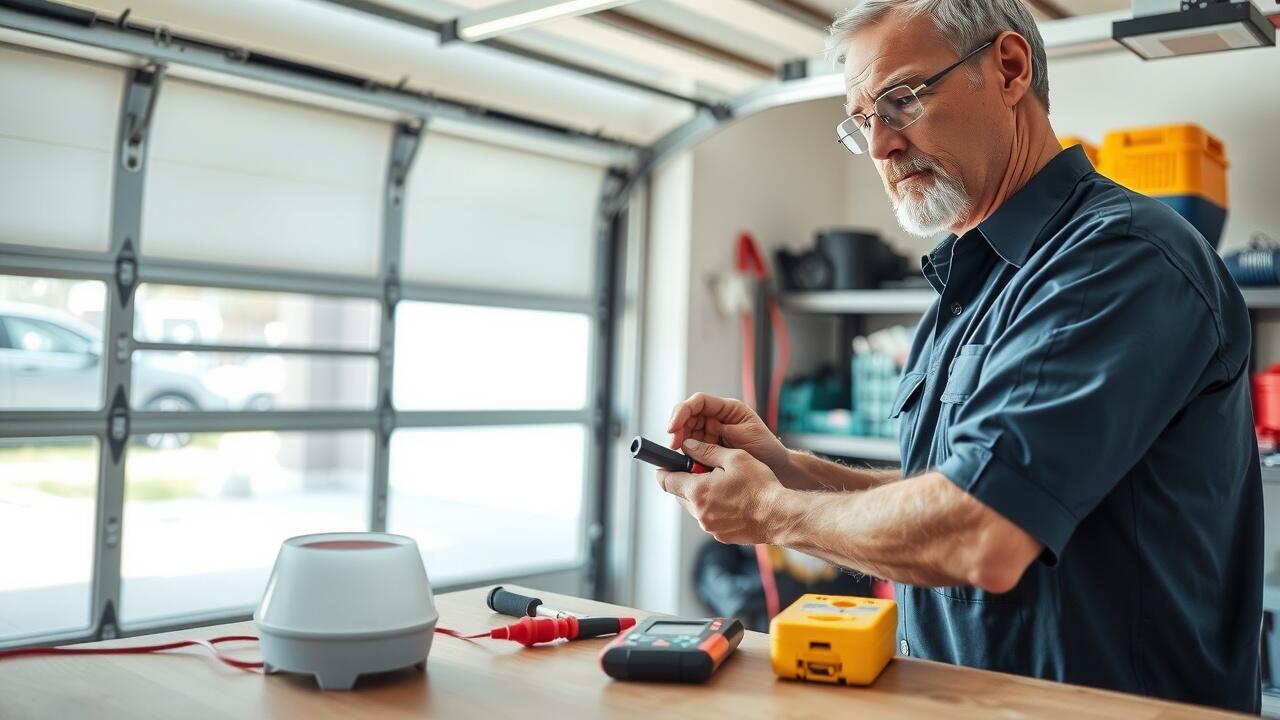
Comparing Wired vs. Wireless Safety Sensors
When choosing between wired and wireless garage door safety sensors, several factors come into play. Wired sensors often provide a more stable connection and are less susceptible to interference, making them a reliable choice for long-term installations. Their installation can be more complex, requiring professional help for Garage Door Safety Sensor Installation in Rancho Cucamonga, California. However, once installed, they typically require less frequent maintenance as they do not rely on batteries.
On the other hand, wireless sensors offer greater flexibility during installation. They can be placed in various locations without the need for extensive wiring, making them ideal for certain setups or retrofits. The downside lies in their dependency on batteries, which necessitates regular replacements and can lead to a lapse in functionality if not monitored properly. Hence, the choice between wired and wireless systems often boils down to specific needs and installation preferences.
Pros and Cons of Each Type
Wired safety sensors typically offer a more reliable connection, minimizing the risk of interference from external signals. Their installation may require additional labor, including running wires through walls or along the ceiling. This can add to the overall cost and complexity of the installation process. However, once installed, they generally require less maintenance compared to wireless units, which can occasionally face connectivity issues.
Wireless sensors provide greater flexibility in installation since they do not require extensive wiring. This can be advantageous for homeowners looking to avoid the hassles associated with wiring. However, wireless systems may be prone to interference from other devices, which can potentially lead to inconsistent performance. For residents in need of Garage Door Safety Sensor Installation in Rancho Cucamonga, California, weighing these pros and cons can help in selecting the right system for their needs.
How to Test Your Garage Door Safety Sensors
To ensure the proper functionality of your garage door safety sensors, start by visually inspecting the sensors for any visible damage or misalignment. Clean the sensors with a soft cloth, removing any dirt or debris that may obstruct the infrared beam. Once cleaned, test the sensors by attempting to close the garage door while standing in the doorway. The door should reverse its direction immediately if anything is detected in the path, indicating the sensors are working correctly.
Next, consider conducting tests periodically to maintain safety. It is important to push an object, like a cardboard box, into the sensor’s path. The door should not close if the sensors are functioning properly. If the door fails to reverse, this signals a malfunction in the system. For those in need of assistance or professional installation, services like Garage Door Safety Sensor Installation in Rancho Cucamonga, California, can provide guidance on maintaining and testing your safety sensors.
Ensuring Proper Functionality and Safety
Regular testing of your garage door safety sensors is essential to ensure they function correctly. Begin by closing the garage door and placing an object, such as a piece of wood, in its path. The sensors should detect the obstruction and immediately reverse the door’s motion. If the door does not reverse, the sensors may be misaligned or malfunctioning. Adjusting their positioning or checking for obstructions can often resolve these issues. If problems persist, consider seeking professional assistance.
Proper maintenance is key to longevity and reliability. Ensure that the sensor lenses are clean and free from dirt or debris, as these can interfere with their operation. Performing regular checks on wiring for signs of wear or damage is also beneficial. For those needing expert help, Garage Door Safety Sensor Installation in Rancho Cucamonga, California, offers thorough inspections and necessary repairs to keep your systems running smoothly and safely.
Maintenance Tips for Safety Sensors
Regular maintenance is essential for ensuring that garage door safety sensors function effectively. Check the sensors for dirt, dust, and debris that can obstruct their operation. A gentle wipe with a soft, damp cloth will help maintain clear lenses. Testing the sensors periodically by manually blocking their path is also advisable to verify they respond correctly. Consistency in these checks can prevent minor issues from escalating into serious safety hazards.
Ensuring that all hardware is secure is another important aspect of sensor maintenance. Loose connections can cause the system to malfunction. If you notice any signs of wear on wires or components, replacing them promptly is important. For those in need of professional assistance, services like Garage Door Safety Sensor Installation in Rancho Cucamonga, California, provide expert help to ensure the system is up to standard. Following these maintenance tips will contribute to a safer garage environment.
Keeping Your System in Top Shape
Regular maintenance is essential for ensuring the longevity and effectiveness of your garage door safety sensors. Begin by inspecting the alignment of the sensors. Misalignment can prevent the sensors from communicating effectively, leading to malfunctions. Clean the sensor lenses with a soft cloth to remove dust and debris. This simple step improves their responsiveness and overall performance.
Conduct routine checks on the wiring and connections of wired systems. Look for signs of wear, fraying, or corrosion that may impact sensor functionality. For those who have opted for Garage Door Safety Sensor Installation in Rancho Cucamonga, California, it’s important to familiarize yourself with the specific model you have installed. Adhering to the manufacturer’s recommendations for maintenance will help keep your system in optimal shape and enhance safety in your home.
FAQS
What are garage door safety sensors?
Garage door safety sensors are devices installed at the base of a garage door that detect objects or people in the door’s path to prevent accidents and injuries.
How do wired and wireless safety sensors differ?
Wired safety sensors require a physical connection to the garage door opener, while wireless sensors communicate via radio signals, offering easier installation and flexibility without the need for extensive wiring.
How can I test my garage door safety sensors?
You can test your garage door safety sensors by placing an object in the door’s path while closing it. The door should reverse automatically if the sensors are functioning correctly.
What maintenance is required for garage door safety sensors?
Regular maintenance includes cleaning the sensors to remove dirt or debris, checking their alignment, and testing their functionality periodically to ensure they are working properly.
What should I do if my garage door safety sensors are not functioning?
If your safety sensors are not working, first check for any obstructions or misalignment. If the problem persists, consult the user manual for troubleshooting tips or consider contacting a professional for assistance.